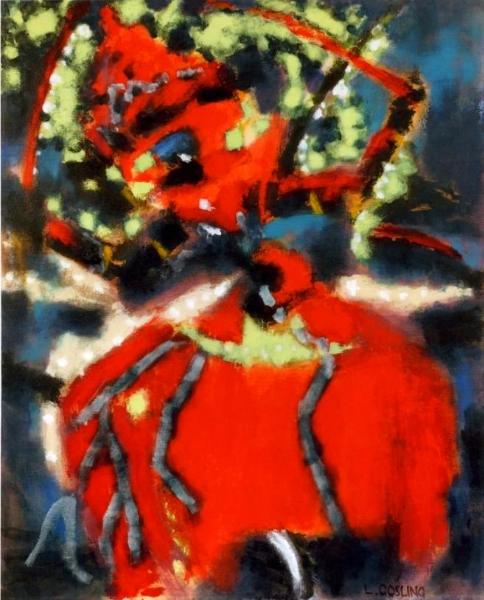
I had never heard of Theyyam when I visited the Malabar Coast of
southern India, and happened upon its annual performance. It is a religious ritual originating in
Neolithic times, long before Aryans from the north invaded and brought Brahmanism
to the area.
I stayed with a Theyyam expert who took me to several performances both
public and private. Since then I’ve
read as much as I can about this inspiring event.
Dravidians, the original inhabitants called Untouchables,
perform Theyyam; it is seen as a
family obligation. Brahmins and aristocrats have kept lower
orders in their place over centuries by encouraging this.
The performance can continue for three days. On the first night the song is recited to
beating drums. Meanwhile the dancer takes
up to ten hours to get into costume, makeup and
mood. On donning the headdress he
actually becomes the deity and dances before the shrine. At the end of the dance he distributes rice
and turmeric, giving blessings and predictions to his devotees.
These rituals traditionally take place in sacred forests called
‘Kavu’. The Dravidians used to be
denied entry to the Brahmin temples, so created their own sacred groves. Nowadays, with increasing development, many
of these spaces have disappeared, only the shrine remaining, and now this
ancient form is in danger of dying out.